
Rajdeep IVF
on 1 month ago
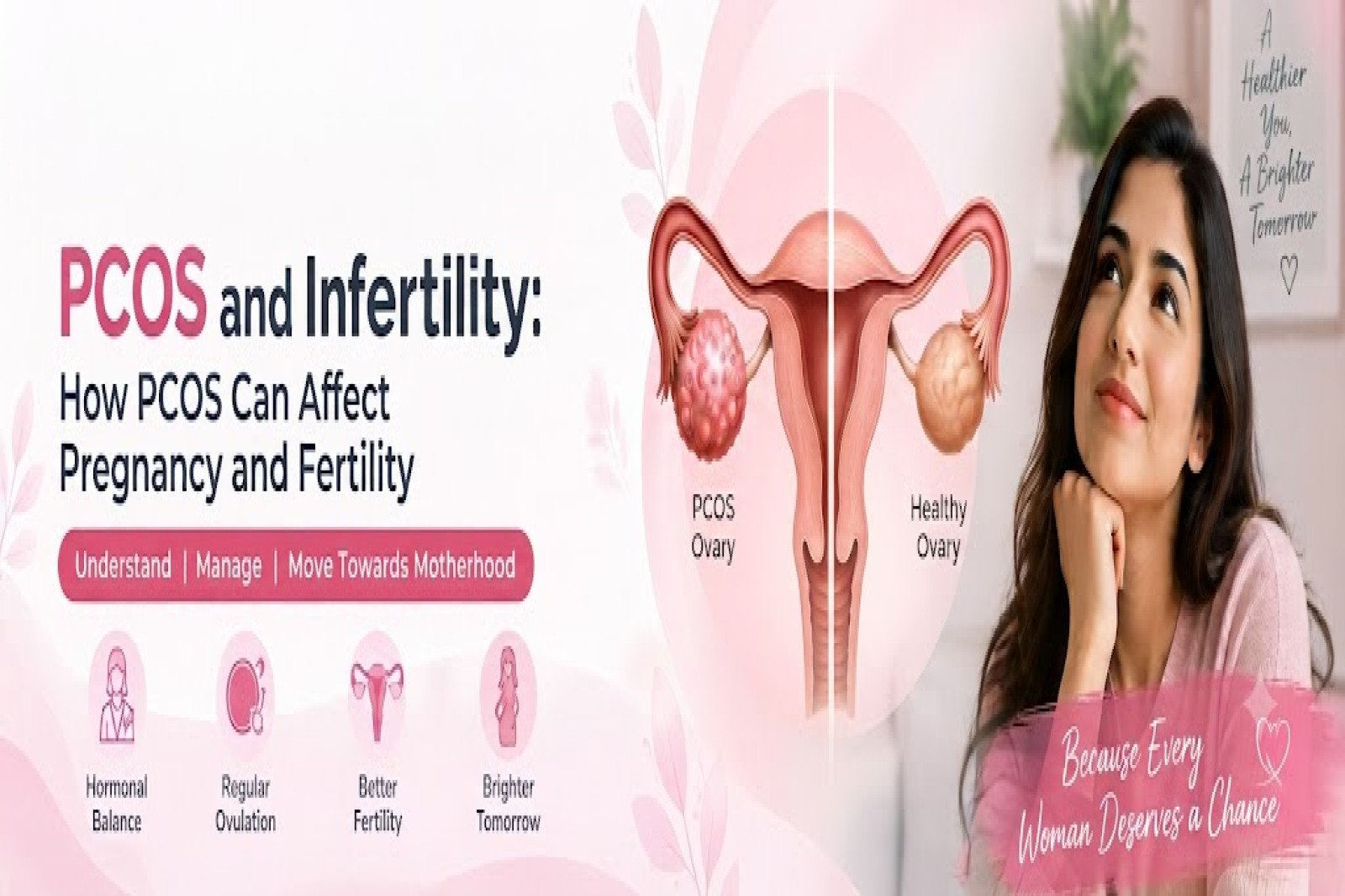
PCOS and Infertility: How PCOS Can Affect Pregnancy and Fertility
Polycystic Ovary Syndrome (PCOS) is one of the most common hormonal disorders affecting women of reproductive age — and one of the leading causes of infertility. At Rajdeep Fertility Research & IVF Centre, Kota, we meet many women every week who are confused, anxious, and searching for clear answers about how PCOS affects their chances of conceiving. This blog breaks down what PCOS is, how it impacts fertility, and what treatment options are available so you can move forward with clarity and confidence.
What is PCOS?
Polycystic Ovary Syndrome is a hormonal imbalance in which the ovaries produce higher-than-normal levels of androgens (male hormones). This hormonal disruption interferes with the normal development and release of eggs during the menstrual cycle. Instead of maturing and being released, follicles often remain small and immature, forming multiple tiny cysts on the ovaries — hence the name.
PCOS affects an estimated 1 in 5 women in India, making it one of the most prevalent reproductive health conditions seen in clinics like ours.
Common Symptoms of PCOS
- Irregular or missed periods
- Heavy or prolonged menstrual bleeding
- Excess facial or body hair (hirsutism)
- Acne and oily skin
- Weight gain, especially around the abdomen
- Thinning hair or hair loss on the scalp
- Darkening of skin in body folds (acanthosis nigricans)
- Difficulty losing weight
- Mood swings, anxiety, or depression
Many women live with PCOS for years without a diagnosis, often only discovering it once they begin trying to conceive.
How Does PCOS Affect Fertility and Pregnancy?
1. Irregular or Absent Ovulation
The biggest fertility challenge with PCOS is anovulation — the failure to release an egg regularly. Without ovulation, natural conception becomes very difficult, since there is no egg available for fertilization in a given cycle.
2. Hormonal Imbalance
Elevated androgen levels and insulin resistance disrupt the delicate hormonal signaling required for egg maturation and release, further reducing the chances of a successful pregnancy.
3. Poor Egg Quality
In some cases, even when ovulation occurs, egg quality may be affected by the underlying hormonal environment, which can lower fertilization rates.
4. Increased Risk of Miscarriage
Women with PCOS have a somewhat higher risk of early pregnancy loss, often linked to insulin resistance and hormonal imbalances that affect the uterine lining.
5. Pregnancy Complications
Once pregnant, women with PCOS may face a higher risk of:
- Gestational diabetes
- Pregnancy-induced hypertension and pre-eclampsia
- Preterm birth
- Higher likelihood of requiring a C-section
This is why pre-conception counselling and close monitoring are so important for women with PCOS who are planning a pregnancy.
6. Endometrial Health
Irregular cycles mean the uterine lining may not shed regularly, which over time can increase the risk of endometrial thickening — something we screen for carefully during fertility evaluations.
Can Women with PCOS Get Pregnant?
Yes — absolutely. PCOS is one of the most treatable causes of infertility. With the right diagnosis, lifestyle changes, and medical support, a large majority of women with PCOS go on to conceive and have healthy pregnancies. The key is early evaluation and a personalized treatment plan.
Diagnosis at Rajdeep Fertility Research & IVF Centre, Kota
Our fertility specialists use a combination of the following to accurately diagnose PCOS:
- Detailed menstrual and symptom history
- Hormonal blood tests (LH, FSH, AMH, testosterone, insulin, thyroid profile)
- Transvaginal ultrasound to assess ovarian structure and follicle count
- Blood sugar and insulin resistance testing
A precise diagnosis allows us to design a treatment plan tailored to your specific hormonal profile — not a one-size-fits-all approach.
Treatment Options for PCOS-Related Infertility
Lifestyle Modification
For many women, even a 5–10% reduction in body weight can restore regular ovulation. We provide guided nutrition and exercise support as a first step.
Ovulation Induction
Medications such as letrozole or clomiphene citrate are commonly used to stimulate regular ovulation, often combined with monitoring through ultrasound.
Insulin-Sensitizing Medication
Since insulin resistance plays a major role in PCOS, medications that improve insulin sensitivity are often prescribed to help restore hormonal balance.
Intrauterine Insemination (IUI)
When ovulation induction alone isn't successful, IUI combined with timed ovulation can improve the chances of conception.
IVF (In Vitro Fertilization)
For women who don't conceive through the above methods, or who have additional fertility factors, IVF offers a highly effective solution. At Rajdeep Fertility Research & IVF Centre, our advanced IVF lab and experienced embryologists help maximize success rates for PCOS patients, including careful protocols to reduce the risk of Ovarian Hyperstimulation Syndrome (OHSS), which women with PCOS are more prone to during fertility treatment.
Laparoscopic Ovarian Drilling
In select cases, a minimally invasive procedure may be recommended to help restore ovulation when medications alone aren't effective.
Why Choose Rajdeep Fertility Research & IVF Centre, Kota?
We understand that a PCOS diagnosis can feel overwhelming, especially when you're trying to start or grow your family. Our team at Rajdeep Fertility Research & IVF Centre, Kota, is committed to providing:
- Comprehensive hormonal and fertility evaluation
- Personalized treatment plans for PCOS
- Advanced IVF and IUI facilities with high success rates
- Compassionate, judgment-free care throughout your journey
- Ongoing support from consultation to delivery
You don't have to navigate PCOS and fertility concerns alone. With the right guidance and treatment, parenthood is a realistic and achievable goal.
Book Your Consultation Today
If you're facing PCOS and struggling to conceive, don't wait for answers. Visit Rajdeep Fertility Research & IVF Centre, Kota, for expert diagnosis and a personalized fertility treatment plan designed around your needs.
This blog is for informational purposes only and does not replace professional medical advice. Please consult our fertility specialists for a diagnosis and treatment plan suited to your individual health needs.
https://rajdeepfertility.in/


POST COMMENT
For post a new comment. You need to login first. Login
COMMENTS(0)
No Comment yet. Be the first