
Rajdeep IVF
on 2 hours ago
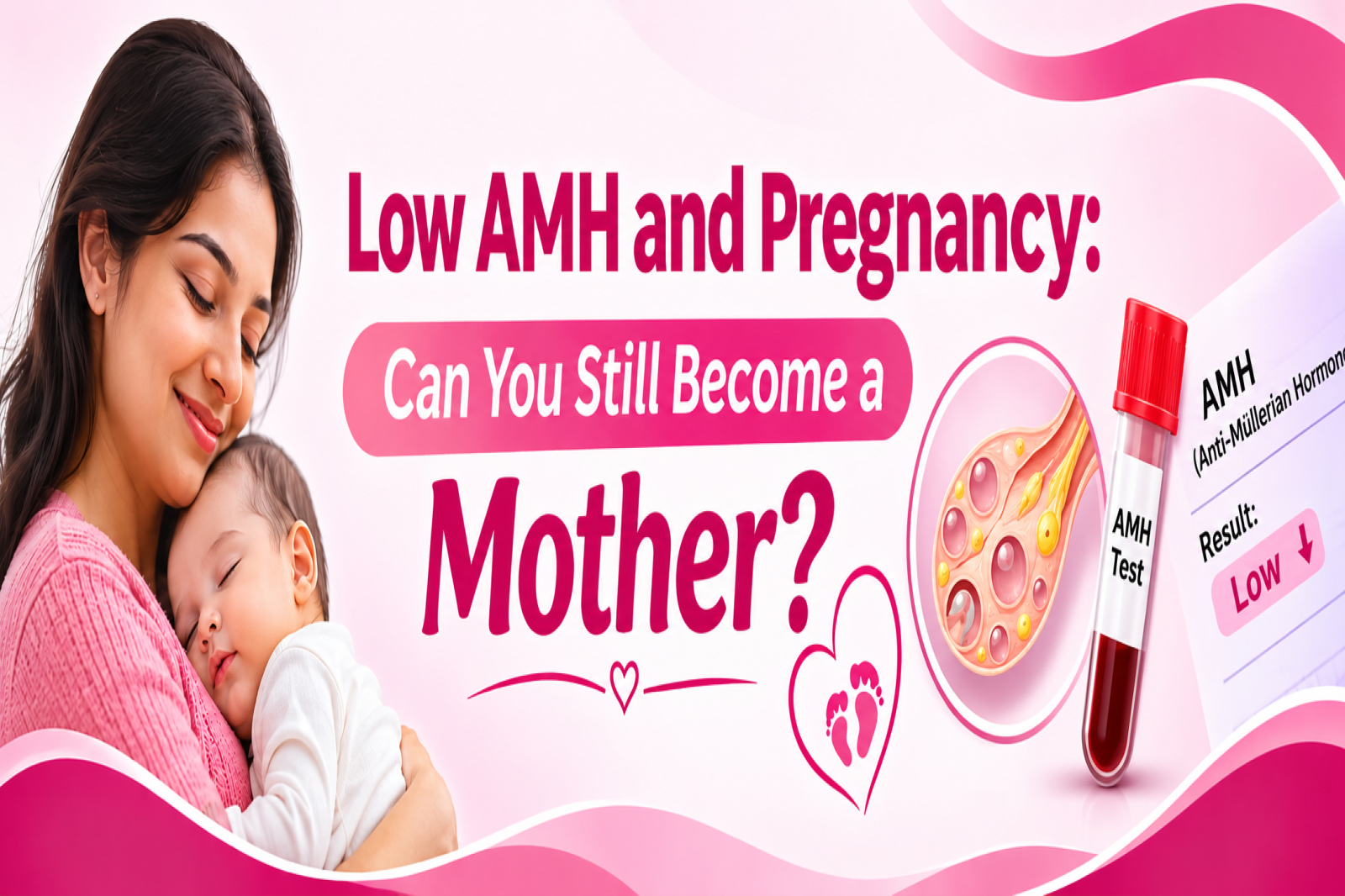
Low AMH and Pregnancy: Can You Still Become a Mother?
Low AMH does not necessarily mean you cannot become a mother. Understand the causes of low AMH, its impact on fertility, pregnancy chances and available treatment options.
Introduction
Many women feel anxious when a fertility test shows "Low AMH." The first question that comes to mind is: Does this mean I can never become a mother?
The answer is No, not necessarily!
Low AMH can make your fertility journey more time-sensitive and may influence your treatment plan. However, many women with low AMH can still achieve pregnancy with the right medical guidance and treatment.
At Rajdeep Fertility Research & IVF Centre, we understand these concerns. In this blog, we will explain what low AMH means, how it affects fertility and what treatment options are available.
What Is AMH?
AMH stands for Anti-Müllerian Hormone. It is produced by small follicles in the ovaries.
An AMH blood test helps doctors estimate a woman's ovarian reserve, which refers to the remaining egg supply in the ovaries.
AMH testing is an important part of fertility evaluation and helps specialists understand ovarian reserve and plan appropriate fertility treatments.
What Is a Low AMH Level?
AMH levels can vary depending on age, laboratory methods and individual health conditions.
The following table provides a general reference:
| AMH Level (ng/mL) | General Interpretation |
|---|---|
| 1.5–4.0 | Normal / Good ovarian reserve |
| 1.0–1.5 | Low-normal |
| 0.5–1.0 | Low |
| Below 0.5 | Very low |
Your fertility specialist will evaluate your AMH result along with your age, Antral Follicle Count (AFC), ultrasound findings and other hormone tests such as FSH and estradiol.
Important: AMH values should not be interpreted in isolation. Reference ranges can differ between laboratories.
Can You Get Pregnant With Low AMH?
Yes! Pregnancy is still possible with low AMH.
One important thing every woman should understand is:
AMH measures egg quantity, not egg quality.
A younger woman with low AMH may still have good-quality eggs. Age remains an important factor in egg quality and pregnancy outcomes.
Some women with low AMH conceive naturally, while others may need fertility treatments such as IUI or IVF.
Seeking fertility advice early can help you understand your options and plan the next steps.
What Are the Common Causes of Low AMH?
Several factors can contribute to reduced AMH levels, including:
-
Increasing Age: AMH naturally declines as women get older.
-
Genetic Factors: Family history of early menopause can influence ovarian reserve.
-
Previous Ovarian Surgery: Removal of ovarian cysts or endometriomas may affect ovarian reserve.
-
Endometriosis: This condition may affect ovarian function.
-
Chemotherapy or Radiation: Certain cancer treatments can affect ovarian reserve.
-
Autoimmune Conditions: Some autoimmune conditions may affect ovarian function.
-
Lifestyle Factors: Smoking and certain lifestyle factors may negatively affect reproductive health.
-
Unknown Causes: Sometimes, the exact reason for low AMH cannot be identified.
What Are the Symptoms of Low AMH?
Low AMH itself usually does not cause noticeable symptoms.
However, some situations may indicate the need for a fertility evaluation:
-
Irregular or shorter menstrual cycles.
-
Difficulty conceiving after 6–12 months of trying.
-
Poor response during previous fertility treatment.
-
Family history of early menopause.
If you have concerns about your fertility, consulting a specialist can help identify the underlying issue.
What Are the Treatment Options for Low AMH?
Treatment depends on your age, ovarian reserve, medical history and fertility goals. Your doctor may recommend one or more of the following options.
1. Timed Intercourse or IUI
For younger women with some ovarian reserve and open fallopian tubes, timed intercourse or Intrauterine Insemination (IUI) may be considered.
However, treatment decisions should account for age and ovarian reserve so that valuable time is not lost.
2. IVF (In Vitro Fertilisation)
IVF is an important fertility treatment option for women with low AMH.
In this procedure, eggs are collected from the ovaries, fertilised with sperm in a laboratory and the resulting embryo may be transferred into the uterus.
Different approaches may be considered:
-
Antagonist Protocol: Medication doses are adjusted according to individual ovarian response.
-
Mild or Mini IVF: Uses a lower-intensity stimulation approach in selected cases.
-
Dual Stimulation (DuoStim): Egg collection may be performed twice within one menstrual cycle in selected patients.
-
Embryo Banking: Embryos may be collected and frozen over multiple cycles.
3. ICSI (Intracytoplasmic Sperm Injection)
ICSI is a specialised fertility technique in which a single sperm is injected directly into an egg.
It may be considered as part of IVF treatment depending on sperm quality, fertilisation history and other clinical factors.
4. Genetic Testing of Embryos (PGT-A)
Preimplantation Genetic Testing for Aneuploidy (PGT-A) examines embryos for chromosomal abnormalities.
It may be considered in selected cases, particularly depending on maternal age and clinical history. It does not increase the number of eggs or guarantee pregnancy.
5. Donor Egg IVF
When pregnancy using a woman's own eggs is unlikely to succeed, donor egg IVF may be discussed.
It is an alternative fertility treatment option that allows a woman to carry a pregnancy.
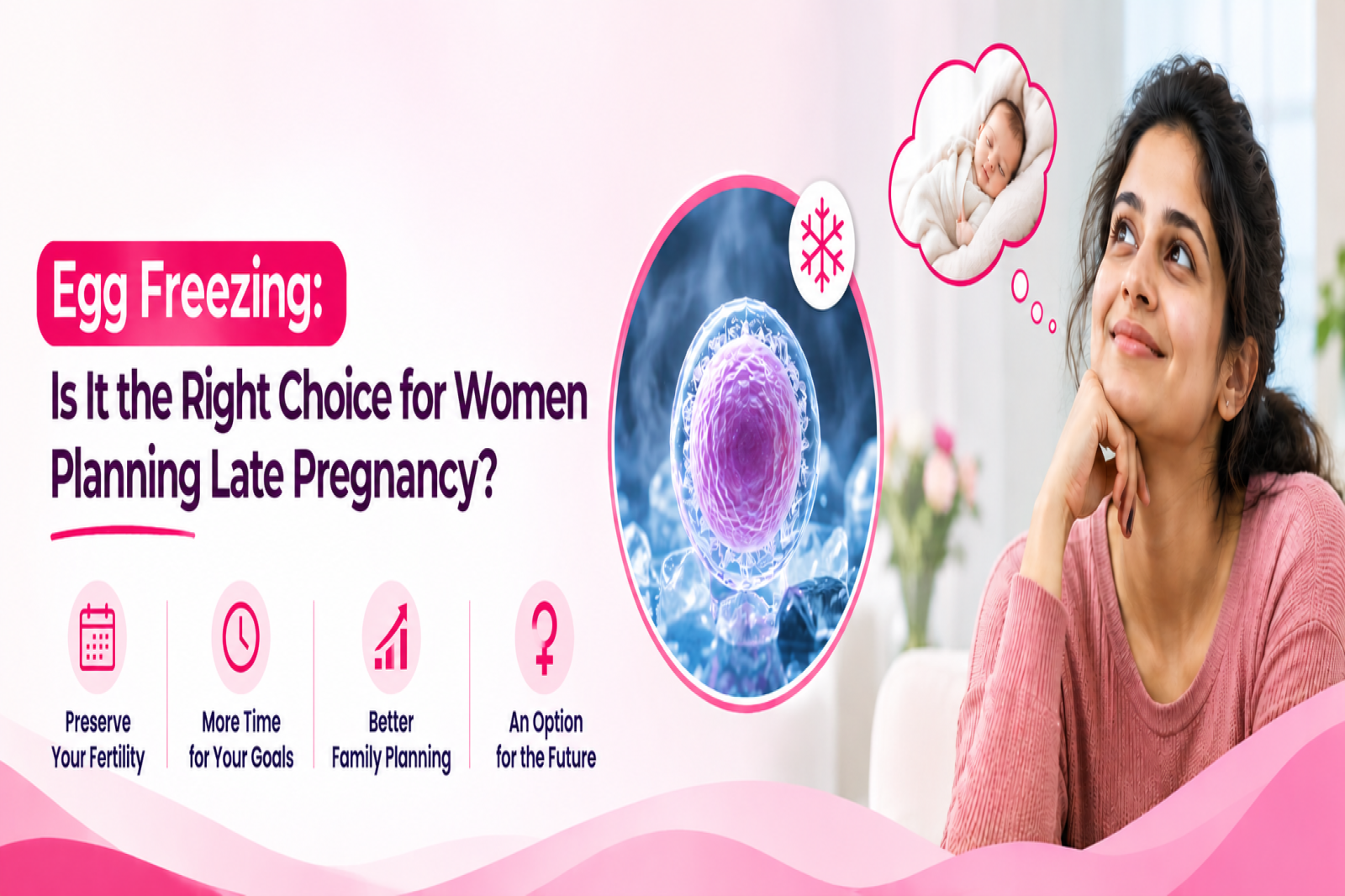
6. Egg Freezing
Women who are not ready for pregnancy but have concerns about their ovarian reserve may discuss egg freezing with a fertility specialist.
An early fertility assessment can help determine whether egg freezing is an appropriate option.
Can Lifestyle Changes Help With Low AMH?
Healthy lifestyle habits can support overall reproductive health, although they cannot reliably increase ovarian reserve or create new eggs.
Some helpful measures include:
-
Eat a balanced and nutritious diet.
-
Exercise regularly.
-
Maintain a healthy body weight.
-
Get adequate sleep.
-
Manage stress.
-
Avoid smoking.
-
Correct vitamin D deficiency if present.
Supplements such as CoQ10 or DHEA are sometimes discussed in fertility care, but evidence of their benefits is limited. Always consult your fertility specialist before taking supplements.
Does Low AMH Increase the Risk of Miscarriage?
Low AMH alone does not strongly predict miscarriage.
Egg quality and chromosomal health, which are significantly influenced by age, are important factors in pregnancy outcomes.
This is why a complete fertility assessment is more useful than looking at AMH levels alone.
When Should You Consult a Fertility Specialist?
You should consider consulting a fertility specialist if:
-
You are under 35 and have been trying to conceive for 12 months without success.
-
You are 35 or older and have been trying for 6 months without success.
-
Your AMH test shows low ovarian reserve.
-
You have irregular menstrual cycles.
-
You have endometriosis or a history of ovarian surgery.
-
You are planning pregnancy later and want to understand your ovarian reserve.
Remember: With low AMH, timely fertility evaluation is important. Do not delay seeking medical guidance.
Why Choose Rajdeep Fertility Research & IVF Centre?
Choosing the right fertility centre is an important step in your journey towards parenthood.
At Rajdeep Fertility Research & IVF Centre, we focus on understanding each patient's fertility concerns and providing individualised guidance.
Our approach includes:
-
Personalised fertility treatment plans.
-
IVF and ICSI treatment options.
-
Ovarian reserve assessment.
-
Individualised fertility counselling.
-
Ethical and transparent treatment guidance.
-
Compassionate, patient-focused care.
Every woman's fertility journey is different. Our goal is to help you understand your options and make informed decisions.
Frequently Asked Questions (FAQs)
Q1. Can I get pregnant naturally with low AMH?
Yes, natural pregnancy is possible for some women with low AMH, particularly younger women. However, individual fertility evaluation is important.
Q2. Can AMH levels be increased naturally?
There is currently no proven method to significantly increase ovarian reserve or create new eggs. Healthy lifestyle habits may support overall reproductive health.
Q3. Is IVF successful with low AMH?
IVF can be successful for some women with low AMH. Outcomes depend on factors such as age, egg quality, ovarian response and individual medical history.
Q4. What AMH level is too low for pregnancy?
There is no fixed AMH level below which pregnancy becomes impossible. Even women with very low AMH may have pregnancy options depending on their individual circumstances.
Q5. Does low AMH mean early menopause?
Not necessarily. Low AMH indicates reduced ovarian reserve but cannot accurately predict the exact age at which menopause will occur.
Q6. Can I still use my own eggs with low AMH?
In many cases, yes. Your fertility specialist will assess your age, AFC, AMH levels and previous treatment response before recommending an appropriate treatment plan.
Conclusion
A low AMH result does not mean the end of your dream of motherhood.
It is a signal to understand your ovarian reserve, explore available fertility options and seek timely medical guidance.
With an appropriate fertility assessment and an individualised treatment plan, many women with low AMH can still explore possibilities of pregnancy.
Your journey towards motherhood deserves the right guidance and care.
Book Your Fertility Consultation Today
If you have been diagnosed with low AMH or are concerned about your fertility, consult the specialists at Rajdeep Fertility Research & IVF Centre.
Visit our website: https://www.rajdeepfertility.in
Rajdeep Fertility Research & IVF Centre
For a Smile of Motherhood ❤️
Take the first step towards understanding your fertility.


POST COMMENT
For post a new comment. You need to login first. Login
COMMENTS(0)
No Comment yet. Be the first