
Rajdeep IVF
on 2 weeks ago
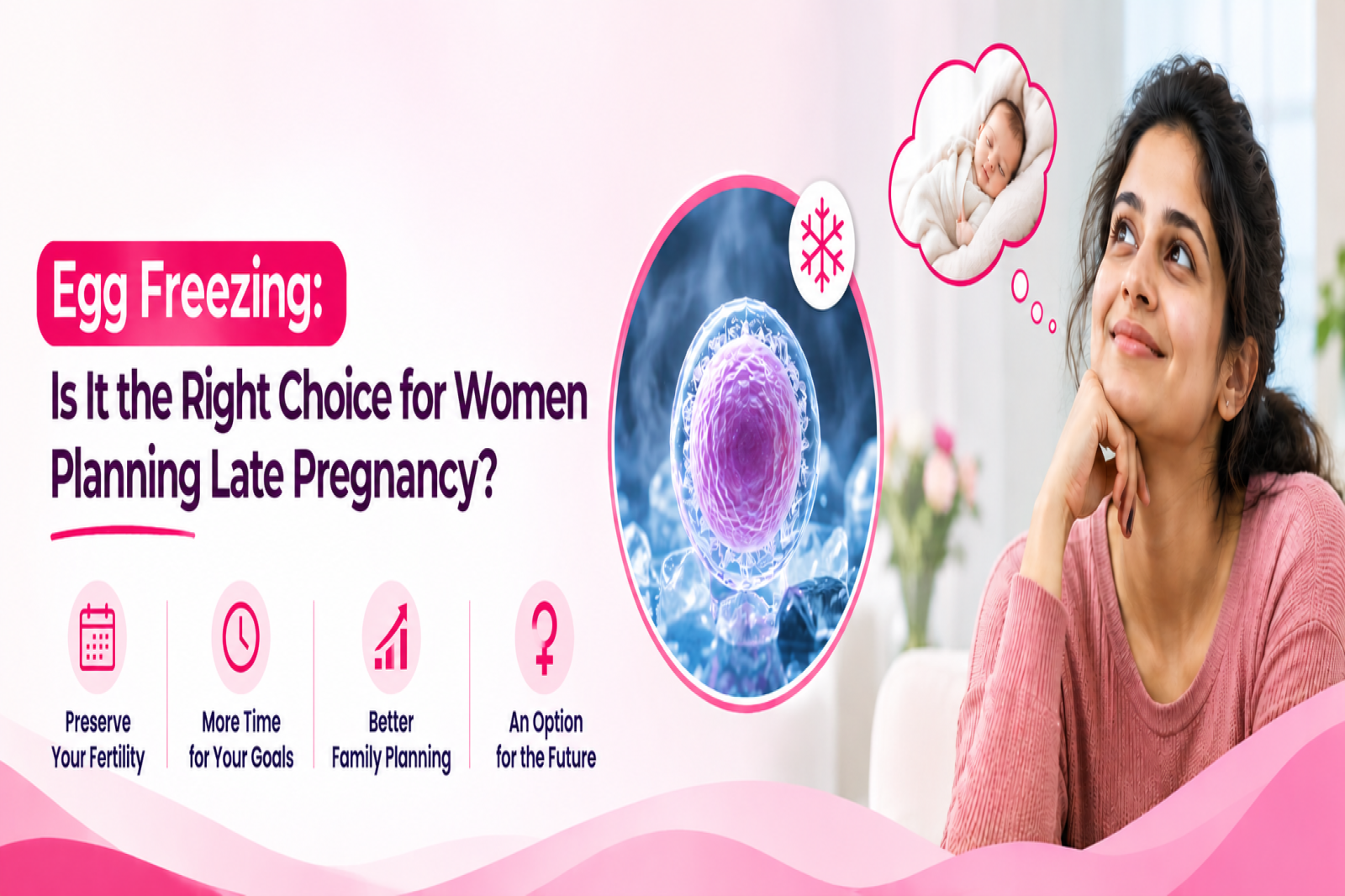
Egg Freezing: Is It the Right Choice for Women Planning Late Pregnancy?
Life doesn't always follow a fixed timeline. Some women want to focus on their careers, some are waiting for the right life partner, while others simply aren't ready to become mothers yet. And that's completely okay.
But there's one thing many women may not realise: female fertility naturally changes with age.
As women grow older, both the number and quality of their eggs gradually decline. This can make getting pregnant more challenging, particularly after the age of 35.
So, what if you want to become a mother in the future but aren't ready for pregnancy today?
This is where egg freezing, medically known as oocyte cryopreservation, may offer another option.
Let's understand what egg freezing is, how it works, who may consider it, and whether it could be the right choice for you.
What Is Egg Freezing?
Egg freezing is a fertility preservation technique in which a woman's eggs are collected from her ovaries and stored at very low temperatures for potential future use.
These eggs can later be thawed, fertilised with sperm in a laboratory through IVF, and the resulting embryo may be transferred into the uterus.
In simple words, egg freezing allows women to preserve some of their eggs at their current age for a possible pregnancy in the future.
However, it is important to understand that egg freezing does not guarantee pregnancy or a baby. Its potential benefit depends on several factors, particularly the woman's age when her eggs are frozen and the number of mature eggs stored.
Why Are More Women Considering Egg Freezing?
Today, many women are making personal and professional decisions about when they want to start a family.
Some common reasons include:
1. Career and Personal Goals
Many women prefer to establish their careers, achieve financial stability, or complete higher education before planning a family.
2. Not Ready for Motherhood Yet
Some women may not currently have the right personal circumstances for pregnancy but want to explore fertility preservation options.
3. Medical Reasons
Certain medical conditions and treatments, particularly chemotherapy or other treatments that may affect ovarian function, can put future fertility at risk. In such situations, fertility preservation may be discussed before treatment begins.
4. Family Planning at a Later Age
Women who expect to delay pregnancy may want to understand how age affects their fertility and whether egg freezing is a suitable option.
How Does the Egg Freezing Process Work?
Egg freezing generally involves several steps. The process is similar to the initial stages of an IVF cycle.
Step 1: Fertility Assessment
A fertility specialist evaluates your medical history, menstrual cycle, ovarian reserve and overall reproductive health. Tests may include AMH blood testing and an ultrasound scan.
Step 2: Ovarian Stimulation
Hormonal medications are prescribed to encourage the ovaries to develop multiple mature eggs during one cycle.
Step 3: Egg Retrieval
Once the eggs are ready, they are collected through a medical procedure under appropriate sedation or anaesthesia.
Step 4: Freezing and Storage
Mature eggs are frozen using a specialised rapid-freezing technique called vitrification and stored in liquid nitrogen for potential future use.
Step 5: Using Frozen Eggs in the Future
When a woman decides to pursue pregnancy, suitable frozen eggs can be thawed, fertilised through IVF, and the resulting embryos assessed for possible transfer.
What Is the Best Age for Egg Freezing?
Age is one of the most important factors when considering egg freezing.
A woman's egg quality and quantity naturally decline over time. Generally, eggs frozen at a younger age have better reproductive potential than eggs frozen at an older age.
Many fertility discussions focus on the late twenties and early thirties because fertility preservation may be more beneficial when considered earlier rather than later.
However, there is no single perfect age that applies to every woman.
A fertility specialist may consider:
-
Current age
-
AMH levels
-
Antral follicle count (AFC)
-
Overall reproductive health
-
Family planning goals
-
Expected number of mature eggs that can be collected
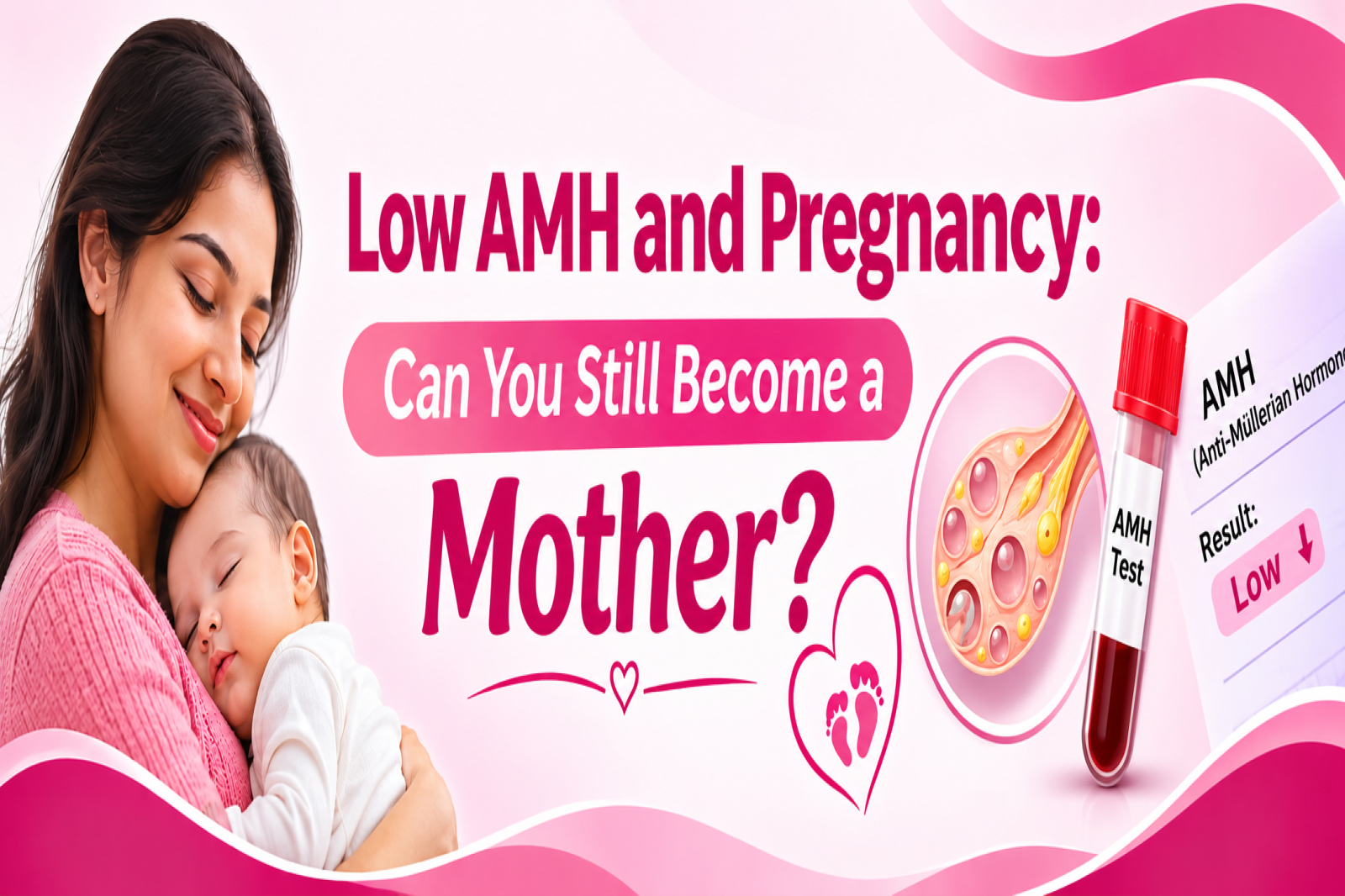
Remember, an AMH test helps estimate ovarian reserve and expected response to stimulation. It cannot independently predict whether a woman will achieve a natural pregnancy or a future live birth.
What Are the Benefits of Egg Freezing?
Egg freezing may offer several potential benefits:
-
More reproductive options: Women can preserve eggs for possible future use.
-
Flexibility in family planning: It may help women who wish to delay pregnancy for personal or medical reasons.
-
Preserving younger-age eggs: Eggs are stored at the age they were collected.
-
Medical fertility preservation: It may help protect reproductive options before certain fertility-affecting medical treatments.
However, these benefits should be considered alongside the costs, medical procedures and uncertainty of future outcomes.
Does Egg Freezing Guarantee Pregnancy in the Future?
This is one of the most important questions women ask.
The honest answer is No. Egg freezing does not guarantee a successful pregnancy.
Not every frozen egg survives the thawing process. Not every egg fertilises successfully, and not every resulting embryo develops or implants successfully.
The chances of success depend on several factors, including:
-
Age at the time of egg freezing
-
Number of mature eggs stored
-
Egg quality
-
Sperm quality at the time of fertilisation
-
Embryo development
-
Uterine and overall reproductive health
This is why realistic counselling and an individual fertility assessment are essential before making a decision.
Is Egg Freezing the Right Choice for You?
Egg freezing may be worth discussing if you are planning to delay pregnancy, have certain medical conditions, or are concerned about future fertility.
But it isn't necessary or suitable for every woman.
Some women may benefit from fertility preservation, while others may be better served by discussing their current reproductive health and pregnancy plans with a fertility specialist.
The best decision is one based on your individual circumstances, medical assessment and personal goals—not fear or social pressure.
Why Consult a Fertility Specialist?
Fertility is personal, and every woman's reproductive journey is different.
Before considering egg freezing, it is important to understand your ovarian reserve, reproductive health, potential treatment outcomes and available options.
At Rajdeep Fertility Research & IVF Centre, Kota, women and couples can seek professional guidance regarding fertility concerns, reproductive health and family planning.
An informed conversation with a fertility specialist can help you understand your options and make decisions with greater confidence.
Your future family planning deserves thoughtful medical guidance.
Frequently Asked Questions (FAQs)
1. Is egg freezing painful?
Egg freezing involves hormonal injections and an egg retrieval procedure. Some women experience bloating, discomfort or mild pain. The procedure is generally performed under sedation or anaesthesia.
2. Can I freeze my eggs after 35?
Yes, egg freezing may still be considered after 35. However, age-related changes in egg quality and quantity can affect future outcomes. A fertility assessment is important.
3. How long can frozen eggs be stored?
Eggs can be stored for many years under appropriate cryogenic conditions, subject to applicable laws, regulations and consent requirements.
4. Does low AMH mean I cannot freeze my eggs?
Not necessarily. Women with low AMH may still be candidates, but the expected number of eggs collected may be lower. Individual assessment is necessary.
5. Is egg freezing the same as embryo freezing?
No. Egg freezing stores unfertilised eggs, whereas embryo freezing involves fertilising eggs with sperm and storing the resulting embryos.
6. Can egg freezing stop menopause?
No. Egg freezing does not stop or delay menopause. It preserves collected eggs for potential future fertility treatment.
Final Thoughts
Planning motherhood is a deeply personal decision. Whether you want to become a mother now or a few years later, understanding your fertility today can help you make informed decisions about tomorrow.
Egg freezing may provide an additional option for some women, but it is not a guarantee of future motherhood.
Don't wait for uncertainty to become a concern. Understand your fertility, explore your options and speak with a fertility specialist.
Consult Rajdeep Fertility Research & IVF Centre, Kota, for guidance on fertility assessment and family planning.
https://rajdeepfertility.in/
POST COMMENT
For post a new comment. You need to login first. Login
COMMENTS(0)
No Comment yet. Be the first